




Dry-Cleaning Non-Washable Wallpaper
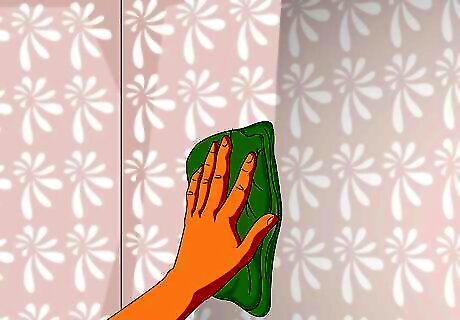
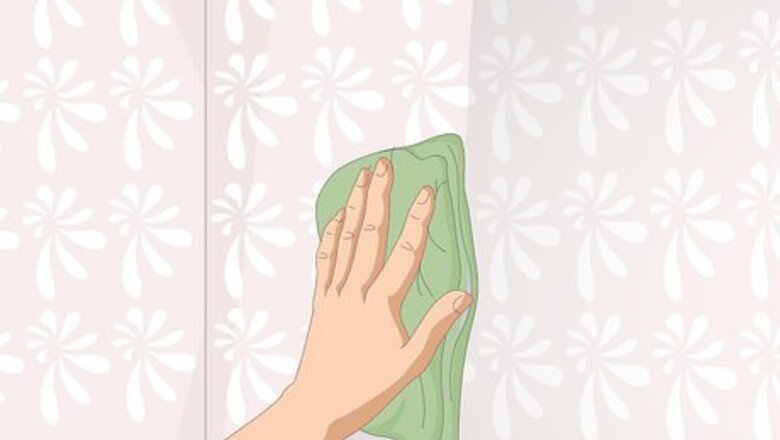
Dust the wallpaper with a lint-free microfiber cloth. Start in the top left corner of the wallpaper and work from the top to the bottom in 2 ft (61 cm) strips. Apply a light amount of pressure to the wallpaper and wipe in the same direction as the texture so you’re less likely to damage it. If the microfiber cloth gets dirty while you’re cleaning, replace it with a fresh one so you don’t spread the dust around. You do not need to use any dusting spray or cleaning solutions when you dust your wallpaper. If you can’t reach the top of your wallpaper, use a step ladder or a long-handled duster. Dust your wallpaper once every 2 months so it stays maintained and dust-free.
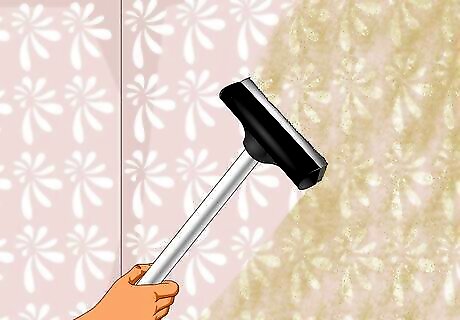
Vacuum the wall with a non-bristle wall brush attachment. The wall brush has a long rectangular head without any bristles on it. Push the wall brush onto the end of the vacuum hose before turning it on. Hold the wall brush lightly against the top corner of the wallpaper and vacuum straight down. Work across your wall to suck up the dirt that’s stuck deeper inside the wallpaper’s texture. Avoid using an attachment that has bristles on your wall since they could damage more delicate fabrics or textures.Warning: Do not press the vacuum attachment hard against the wall since you could scrape or damage the raised textures.
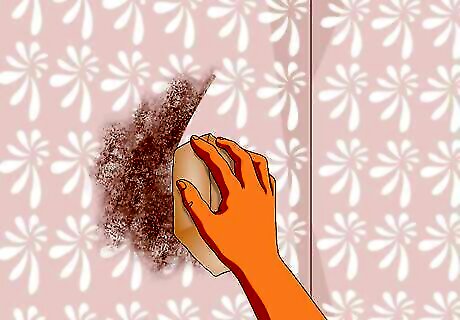
Treat tough stains with a dry-cleaning sponge. A dry-cleaning sponge, also known as a chemical sponge, is made of natural rubber that can clean effectively without being wet. Start at the top of the stain and wipe it gently with the sponge. Follow the direction as you clean of the texture so you’re less likely to damage the wallpaper You can buy dry-cleaning sponges from your local hardware or home goods store. Dry-cleaning sponges work great for getting rid of soot, mold, and other stuck-on residues. Dry-cleaning sponges are not the same as magic eraser sponges. Avoid using magic erasers since they contain small abrasives that could damage the wallpaper.
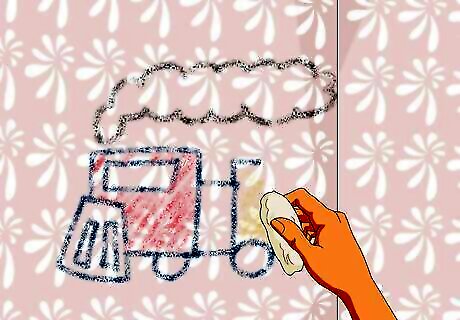
Try rolling wallpaper dough over pen or crayon marks. Wallpaper dough has a putty-like consistency that helps lift greasy marks. Roll the entire package of wallpaper dough into a large ball before pressing it against your wall. Roll the ball in the same direction as the wallpaper texture to work it into the crevices. If the wallpaper dough gets dirty on the surface, knead the ball again until it looks clean again. Buy wallpaper dough from hardware stores or online. You can also use an artist’s gum eraser instead of wallpaper dough.
Washing Vinyl and Fiber Wallpaper
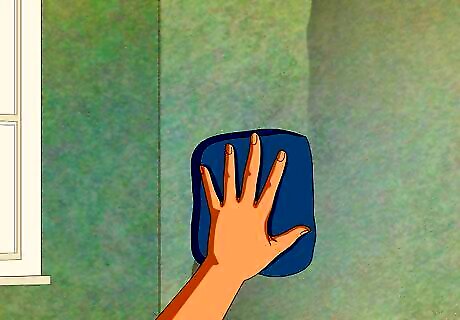
Dust the wallpaper with a microfiber towel to remove any surface dirt. Start in the top left corner of the wallpaper and work in 2 ft (61 cm) strips toward the bottom. Apply light pressure as you wipe the wallpaper in the same direction as its texture to work the fibers into the crevices. As your towel gets dirty, replace it with a new one so you don’t put the dust back on your wall. You can use dusting spray on the towel if you want, but it’s not required. If you have trouble reaching the top of the wallpaper, stand on a step ladder or use a long-handled duster instead.
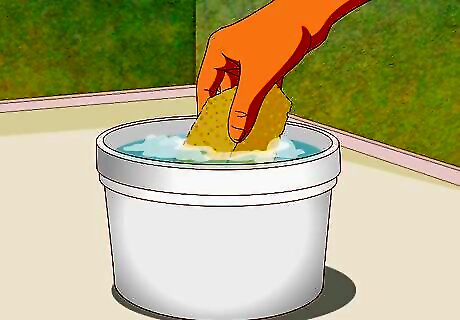
Dip a non-abrasive sponge in a solution of dish soap and water. Mix ⁄4 cup (59 ml) of liquid dish soap in a bucket with 1 gallon (3.8 L) of warm water until they form suds. Put a non-abrasive sponge, which doesn’t have any scrubbers attached to it, in the water squeeze it a few times to help it absorb water. Pull the sponge out of the water and wring it out as best as you can so it doesn’t drip any more water. Don’t use magic eraser sponges or sponges that have abrasive scrubbers since they can cause damage to your wallpaper’s texture.
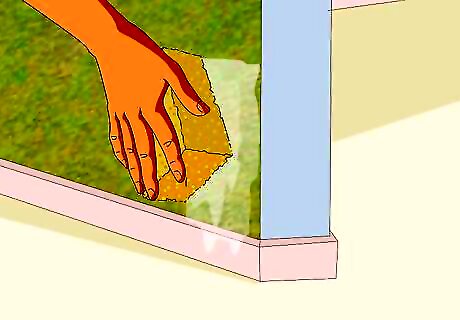
Test the cleaning solution on an inconspicuous spot on your wallpaper. Some textured wallpapers may absorb water or bleed when you try to clean them. Choose a spot of wallpaper that’s normally behind furniture or near the corner of the room and wipe a coin-sized area with the damp sponge. Wait for 15–20 minutes before checking the spot to see if it affected the wallpaper. If the cleaning solution does affect the wallpaper negatively, then dry-clean it only.
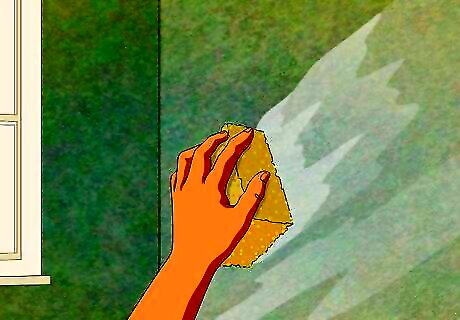
Wipe the wallpaper in the same direction as the texture. Start at the bottom left corner of the wallpaper and work in 2 ft (61 cm) strips toward the top. Lightly press the sponge against the wallpaper and follow the texture as you move it around. Rinse your sponge in the soapy water every 15–30 seconds before wringing it out again. When you reach the top of the wallpaper, lightly pull the sponge down the wall to rinse it off. Working from the bottom to the top allows you to see exactly where you’ve already cleaned easier than if you started from the top. Make sure the sponge isn’t dripping wet, or else it could cause water damage or mold to form on the wallpaper.
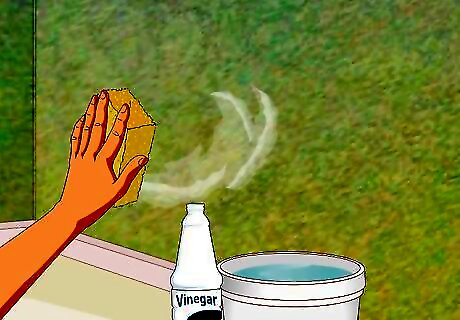
Clean large water stains or smudges with a vinegar and water solution. Combine ⁄4 cup (59 ml) of distilled white vinegar with 1 cup (240 ml) of warm water. Dip a non-abrasive sponge in the solution and wring it out until it doesn’t drip water anymore. Dab the stain with your sponge and let it sit on the wallpaper for 5 minutes. Use a sponge damp with clean water to wipe the solution off of the wallpaper. If you’re cleaning your wallpaper with vinegar, be sure to test the solution in an inconspicuous spot first, such as an area behind furniture, to make sure it doesn’t change the color or leave marks.Variation: You may also use standard bleach instead of vinegar in the wallpaper cleaner recipe. Make sure to test the solution before applying it to the stain.
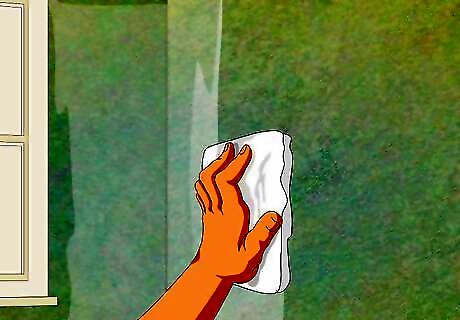
Blot the wallpaper dry with a lint-free towel. Press the towel lightly on the wallpaper and dab it to lift up any excess moisture. Avoid rubbing the towel back and forth since it can ruin the texture on the wallpaper. Lift up as much of the remaining moisture from the wallpaper as you can.






Comments
0 comment